

close
Choose Your Site
Global
Social Media
Views: 0 Author: Site Editor Publish Time: 2026-06-24 Origin: Site


Material compatibility remains the single highest-risk factor in packaging equipment capital expenditure. Buyers often purchase hardware based on theoretical maximum speeds. They skip mapping machine sealing mechanics to their specific substrates. This oversight proves disastrous on the factory floor. You inevitably face high defect rates. You suffer frequent web-breaks. Your production line experiences excessive downtime. You simply cannot force an incompatible film through a rigid mechanical architecture.
We built this guide to solve this exact problem. Plant managers and procurement teams need a clear evaluation framework. You will learn how to match your target substrates directly to proper hardware configurations. We cover everything from standard polyolefins to specialized medical-grade Tyvek. By the end, you will know exactly what technical specifications to demand. You will secure reliable equipment built for your specific materials.
Material dictates mechanics: Substrate thickness and melting points determine the required sealing mechanisms (e.g., hot knife, ultrasonic, or cold cut) and tension control systems.
Versatility has limits: While standard bag making machines process HDPE and LDPE efficiently, transitioning to laminates or biodegradable films usually requires specialized modular upgrades.
Compliance is hardware-dependent: Processing specialized materials like Tyvek requires a dedicated medical bag making machine built for cleanroom standards and strict temperature validations.
Test before investing: Never finalize a purchase without a factory acceptance test (FAT) running your exact material roll.
Production realities dictate your operational success. Material properties interact directly against machine rollers and sealing bars. Every polymer behaves uniquely under physical stress. Slip additives reduce friction during the unwinding phase. However, excessive slip causes severe tracking issues. Micron thickness determines heat transfer rates across the web. Tensile strength dictates how much tension the pulling rollers can apply safely.
The cost of hardware misalignment is severe. Operators fight incompatible machines constantly. You see burned edges on every third cycle. You encounter poor seal integrity during quality checks. Continuous web snapping halts production for hours. Scrap rates climb rapidly. You waste valuable resin and expensive labor hours.
Buyers must adopt a stricter evaluation lens. You must prioritize material tolerance ranges over theoretical maximum speeds. Read specification sheets carefully. Can the equipment handle minor variations in roll thickness? Does the unwinder adjust for slightly warped film? Max speed means absolutely nothing if the system produces endless scrap.
Standard polyolefins dominate the commodity packaging sector. You see these materials in retail and industrial applications. They include HDPE (High-Density Polyethylene) and LDPE (Low-Density Polyethylene). LLDPE and PP (Polypropylene) also fall into this high-volume category. These monolayer films are generally robust and forgiving.
Processing these materials requires specific machine architectures. You need standard heated sealing jaws. You need reliable hot or cold cutting mechanisms. Basic edge-guiding systems (EPC) remain mandatory. EPC keeps your web aligned as it feeds into the main chassis. A standard Bag Making Machine handles high-density polyethylene efficiently. You can run these substrates at very high indexing speeds.
Implementation risks still exist for standard materials. LDPE presents unique challenges due to high elasticity. It stretches easily under mechanical tension. Traditional mechanical clutches fail to manage this property. They apply uneven force across the web. You must use precise servo-driven tension control instead. Servos prevent the film from stretching right before the cut. Uncontrolled stretching ruins dimensional accuracy and ruins print registration.
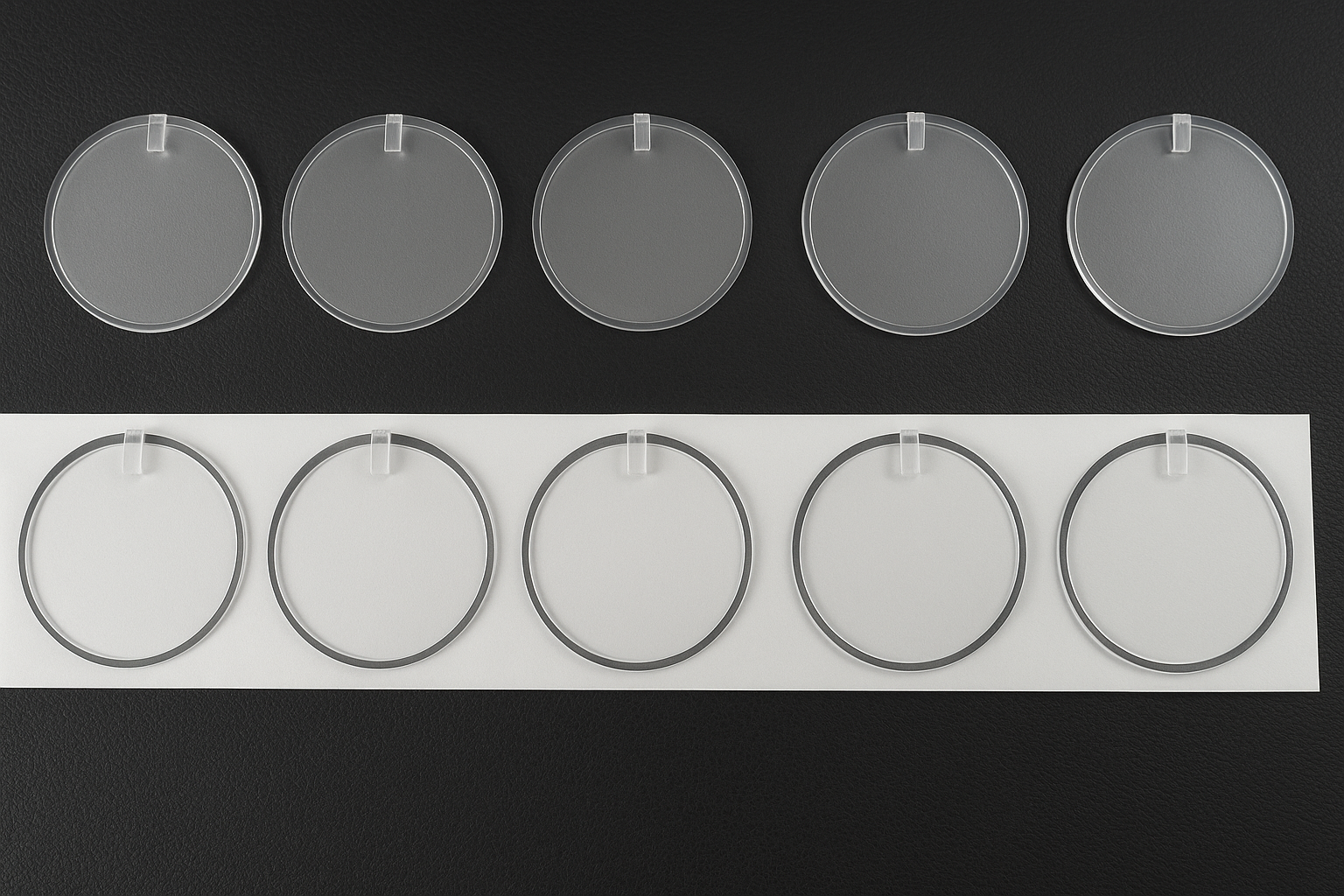
Premium packaging relies heavily on complex material structures. High-clarity and laminated films provide superior oxygen and moisture barriers. Common materials include BOPP (Biaxially Oriented Polypropylene) and CPP. You also see PET/PE laminates and Aluminum-foil laminates. Food and cosmetics brands demand these high-end substrates.
Laminates possess multi-tier melting points. The outer layer resists heat to prevent sticking. The inner layer melts to form the actual hermetic seal. You need advanced Proportional-Integral-Derivative (PID) temperature controllers. They maintain exact thermal profiles across the jaw surface. Temperature fluctuations cause delamination or weak bonds. You also need heavy-duty pneumatic or servo-driven sealing bars. They must apply immense pressure to push heat through multiple layers simultaneously.
Buyers face critical decision criteria here. Standard poly equipment lacks necessary jaw pressure. They also lack the cooling time required for thick laminates. The seal remains molten and weak as the film indexes forward. You must specify your intent to run multi-layer films early. You will likely need localized water-cooling plates. These plates solidify the seal before the web reaches the cutting station.
Healthcare packaging operates under extreme regulatory scrutiny. Patient safety depends entirely on flawless sterile barriers. Medical-grade substrates include Tyvek and medical dialysis paper. You also process PET/PE medical films and heavy foil laminates. These materials house surgical instruments and intravenous components.
A specialized Medical Bag Making Machine is strictly required for this sector. Standard industrial units cannot achieve the necessary validation precision. You must feature validatable sealing systems. The equipment must monitor temperature, pressure, and dwell time in real-time. It must trigger alarms if any parameter drifts out of specification. This level of control ensures ISO 11607 and FDA compliance.
Cleanroom environments impose strict physical hardware requirements. The entire machine chassis needs stainless steel construction. Painted carbon steel sheds particulates over time. Cutting mechanisms must remain particulate-free during high-speed shearing. Flying dust contaminates the sterile barrier.
We strongly warn against retrofitting standard units for medical applications. This introduces massive trust and compliance risks. Auditors will flag unvalidated systems immediately. The resulting compliance and audit risks far outweigh any initial hardware savings.
Consumer demand drives the adoption of sustainable packaging options. Eco-friendly resins present massive processing hurdles. These materials include PLA (Polylactic Acid) and PBAT. Manufacturers also utilize various starch-based compostable blends. These alternative polymers behave nothing like traditional polyethylene.
These sustainable materials are notoriously heat-sensitive. They have incredibly narrow melting windows. They stick aggressively to bare steel sealing bars. They also exhibit significantly lower tensile strength compared to polyolefins. The web snaps instantly if tension spikes during the unwinding phase.
You must implement several mandatory hardware modifications:
Teflon Integration: Coat all sealing knives and jaws with high-grade Teflon to prevent resin adhesion.
Speed Reduction: Operate the line at significantly lower indexing speeds to avoid web tearing.
Tension Sensitivity: Install ultra-sensitive dancer rollers equipped with low-friction pneumatic cylinders.
Active Cooling: Integrate specialized chilling plates right after the sealing station to prevent film warpage.
Buyers must exercise extreme caution. Beware of vendors claiming standard equipment runs compostable materials flawlessly at top speeds. Always demand a live demonstration. Send your exact compostable resin to their facility. Verify the seal strength and edge quality yourself.
Procurement teams need a structured framework for shortlisting vendors. You must align your primary material specifications with OEM engineering capabilities. A systematic approach prevents costly post-installation modifications.
Evaluate these three critical parameters during vendor selection:
Thickness Range (Microns): Verify the minimum and maximum thickness the feeding system handles safely. Confirm the unit operates without jamming or slipping.
Sealing Technology: Match your specific polymer type to hot wire, hot knife, or ultrasonic sealing mechanisms.
Drive System: Insist strictly on servo-motor controls rather than mechanical clutches. Elastic materials require absolute precision.
The chart below outlines typical machine capability limits based on substrate types.
Substrate Type | Typical Thickness (Microns) | Required Tension Control | Optimal Sealing Mechanism |
|---|---|---|---|
LDPE / HDPE | 10 - 120 | Servo or High-end Mechanical | Hot Wire / Hot Knife |
BOPP / Laminates | 40 - 250 | Strict Servo Driven | Heavy-Duty Pneumatic Bar |
Tyvek / Medical Paper | 60 - 150 | Precision Servo | Validatable Constant Heat |
PLA / PBAT | 20 - 80 | Ultra-Sensitive Dancer Rollers | Teflon-Coated Cold Cut / Warm Bar |
Take immediate next-step actions before signing any contract. Guide your purchasing team to request a Material Run Test. Send two or three rolls of your actual film to the OEM facility. Make this factory acceptance test a strict condition of your procurement agreement. You must observe your film running at promised production speeds.
There is no universal packaging equipment. No single unit processes every known material perfectly. Substrate physics dictate hardware requirements entirely. A machine built for compostable resins struggles with thick foil laminates. Equipment optimized for simple polyolefins fails medical compliance audits.
Defining your primary and secondary material substrates upfront changes everything. This clarity narrows your equipment search immediately. You move from hundreds of generic options to a shortlist of highly capable engineering firms. You eliminate vendors who lack necessary specialized modules.
Take action today to protect your capital investment. Consult directly with application engineers early in your planning phase. Submit detailed material specification sheets (TDS) for their review. Schedule a comprehensive sample testing session before finalizing any purchase order.
A: No. Paper bag making requires completely different feeding, folding, and gluing mechanisms. Standard plastic machines utilize thermal sealing bars. Paper equipment relies on aqueous or hot melt adhesives instead of heat.
A: It depends heavily on the machine type. Standard machines handle 10 to 120 microns easily. Heavy-duty models built for industrial sacks can process laminates exceeding 250 microns.
A: Biodegradable resins have much lower melting temperatures than traditional plastics. This unique trait requires retrofitting the equipment. You need Teflon-coated jaws. You must adjust PID temperature controllers accurately. You also potentially need to add localized cooling systems.
