

close
Choose Your Site
Global
Social Media
Views: 0 Author: Site Editor Publish Time: 2026-05-04 Origin: Site


In today’s highly competitive manufacturing environment, maintaining product quality is more important than ever. One of the critical aspects of ensuring consistent product quality is quality control, which involves various checks and processes to guarantee that every product leaving the production line meets the required standards. One such essential tool in modern quality control is the leak detection machine. These machines play a crucial role in identifying potential flaws in products, especially those that need to maintain an airtight seal. Without proper leak detection, manufacturers risk producing defective products that can lead to contamination, customer complaints, and even product recalls. This article will explore why leak detection machines are critical for quality control, their role across different industries, and the key benefits they offer.
A leak detection machine is a device used to identify leaks in sealed products, ensuring that they maintain their integrity during use or transportation. The machine operates by applying a specific pressure or vacuum to the product being tested, and it measures any changes in pressure or vacuum that would indicate the presence of a leak. Leak detection machines are equipped with advanced sensors that provide high-precision readings, enabling the identification of even the smallest leaks that could compromise the product’s safety and functionality.
There are several types of leak detection machines, each designed to cater to specific testing needs:
Pressure Decay Leak Detection Machines: These machines detect leaks by applying pressure to the product and monitoring for a drop in pressure, indicating a leak.
Vacuum Decay Leak Detection Machines: These machines work by creating a vacuum inside the sealed product and measuring any decrease in vacuum pressure caused by a leak.
Bubble Testing Machines: These machines apply pressure to the product and immerse it in water to visually detect leaks as bubbles form around the leak site.
Helium Leak Detectors: These machines use helium as a tracer gas to detect very small leaks in high-precision applications, such as aerospace components.
Each type of leak detection machine has its advantages depending on the industry and product being tested.
One of the primary roles of leak detection machines in quality control is to ensure that products are free from leaks. In industries such as medical device manufacturing, leaks in products like IV bags, blood bags, or catheters can lead to contamination, compromising patient safety. Similarly, in the food packaging industry, a leak in a sealed package can allow air or moisture to enter, causing spoilage or contamination. Leak detection machines help identify these flaws before the product reaches the market, reducing the risk of defects and ensuring that products are safe for consumers.
Manufacturers must comply with various regulatory standards, such as ISO and GMP, to ensure product quality and safety. Leak detection machines are critical in helping manufacturers meet these stringent standards. By testing every product for leaks, manufacturers can maintain consistent product quality and ensure that all items comply with industry regulations. Regular use of leak detection machines also provides traceability for audits, helping companies stay in compliance with regulatory requirements.
A product that leaks or fails to meet quality standards can lead to dissatisfied customers, product returns, and a damaged brand reputation. For instance, in the automotive industry, leaks in fuel systems or pressure vessels can compromise vehicle performance, leading to safety concerns. For food packaging, leaking seals can result in spoiled products, leading to customer complaints and financial losses. Leak detection machines ensure that products meet the highest quality standards, which directly impacts customer satisfaction and brand loyalty.
In the medical industry, ensuring the integrity of medical devices and packaging is critical. IV bags, blood bags, catheters, and other medical products must remain sealed to prevent contamination and ensure they function properly. Leak detection machines are used extensively in the medical field to test the integrity of these products. For example, a leak in an IV bag can lead to contamination of fluids, potentially endangering a patient’s health. Leak detection machines provide peace of mind by ensuring that all products are free from leaks before they reach healthcare providers.
In the food packaging industry, maintaining an airtight seal is essential for preserving the freshness and safety of products. Leak detection machines are widely used to test the integrity of food packaging, such as vacuum-sealed bags and containers. A small leak in food packaging can lead to contamination, spoilage, or loss of freshness, all of which can result in health risks for consumers and financial losses for manufacturers. Leak detection machines help prevent these issues by ensuring that food packaging remains intact during storage and transport.
In the automotive and aerospace industries, leak detection is critical for testing components such as fuel systems, air conditioning systems, and pressure vessels. A leak in any of these parts can lead to safety hazards, reduced performance, or costly repairs. For example, leaks in fuel systems can lead to fires, while leaks in pressure vessels can affect the structural integrity of the vehicle or aircraft. Leak detection machines ensure that these critical components meet safety standards and function as expected, preventing costly failures and ensuring the safety of passengers.
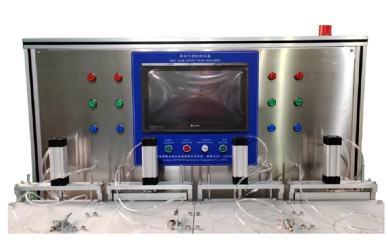
Leak detection machines help prevent contamination by ensuring that products are properly sealed. Whether it's a medical device or a food package, a small leak can allow harmful substances to enter, potentially compromising the product’s safety. By identifying leaks early in the production process, manufacturers can avoid defective products reaching consumers, reducing the risk of contamination and ensuring that products are fit for use.
Automated leak detection machines improve production efficiency by eliminating the need for manual inspections. With high-speed leak detection machines, manufacturers can test hundreds or even thousands of products per hour, ensuring that each one meets quality standards. This automated process also reduces the likelihood of human error, providing consistent and accurate results with minimal downtime.
While investing in leak detection machines may seem costly at first, the long-term savings are significant. By preventing defective products from reaching consumers, manufacturers can avoid expensive product recalls, rework, and customer complaints. Additionally, by catching leaks early in the production process, manufacturers can reduce waste and improve overall production efficiency, leading to significant cost savings.
Leak detection machines play a key role in helping manufacturers comply with industry regulations, such as ISO and GMP. These standards require manufacturers to ensure that their products are free from defects and meet specific safety requirements. By using leak detection machines, manufacturers can demonstrate their commitment to product quality and safety, ensuring that their products meet the necessary regulatory standards.
Leak detection machines enhance manufacturing processes by providing high-precision testing. In industries where product integrity is critical, such as medical devices and food packaging, ensuring that products are free from leaks is essential for maintaining reliability. Leak detection machines ensure that even the smallest leaks are detected, providing manufacturers with confidence that their products are safe for consumers.
Modern leak detection machines are often fully automated, making them ideal for high-volume manufacturing environments. These machines can be integrated into existing production lines, ensuring that each product is tested without interrupting the manufacturing process. Automated leak detection systems increase speed, reduce human error, and ensure consistent testing results, improving overall production efficiency.
Below is a comparison of three common types of leak detection machines used across different industries:
Feature | Pressure Decay Leak Detection | Vacuum Decay Leak Detection | Bubble Testing Machine |
Detection Method | Measures pressure drop | Measures vacuum drop | Visual inspection of bubbles |
Accuracy | High precision (0.1% FS) | High precision (0.1% FS) | Lower precision |
Suitability | Rigid products (bottles, tubes) | Flexible products (bags, pouches) | Larger, visible leaks |
Speed | High-speed testing | Moderate speed testing | Slow, manual process |
Compliance | Meets ISO, GMP standards | Meets ISO, GMP standards | Limited compliance |
Automation | Fully automated | Semi-automated | Manual |
Leak detection machines can detect a wide variety of leaks, including small leaks in medical bags, food packaging, and automotive components.
Leak detection machines automate the testing process, reducing the need for manual inspections and speeding up production without sacrificing accuracy.
By ensuring products meet industry standards such as ISO and GMP, leak detection machines help manufacturers demonstrate their commitment to quality and safety.
Industries such as medical device manufacturing, food packaging, automotive, and aerospace rely on leak detection machines to ensure product quality and safety.
Leak detection machines are indispensable tools for maintaining high-quality standards in manufacturing, and Suzhou HETRO Automation Equipment Co., Ltd. is at the forefront of providing these essential solutions. Whether you're in the medical, food, automotive, or aerospace industries, these machines ensure that products are free from defects and meet regulatory requirements. By preventing contamination, reducing waste, and improving production efficiency, leak detection machines play a crucial role in maintaining product integrity and ensuring customer satisfaction. As manufacturing processes become more automated, the role of leak detection machines in ensuring high-quality production standards will only continue to grow, with HETRO offering cutting-edge technology to support industries in achieving these goals.
