

close
Choose Your Site
Global
Social Media
Views: 0 Author: Site Editor Publish Time: 2026-04-20 Origin: Site


In the world of manufacturing, product quality and safety are paramount. One critical factor in ensuring that products meet these standards is effective leak detection. Whether in the medical, automotive, food packaging, or electronics industries, leak detection machines play a pivotal role in identifying flaws in sealed products, preventing costly defects, and ensuring the safety of consumers. This article will delve into the purpose, functionality, and importance of leak detection machines in manufacturing, highlighting their various applications and benefits across different industries.
A leak detection machine is a specialized piece of equipment designed to identify leaks in sealed products, such as medical bags, containers, and tubes. These machines utilize precise technologies like vacuum decay or pressure decay methods to test the integrity of a product by detecting even the smallest leaks. The primary goal of a leak detection machine is to ensure that products maintain their functionality and safety by confirming they are airtight and free from contamination.
In manufacturing, leaks can compromise product safety, leading to contamination, malfunction, or failure. Leak detection machines help manufacturers maintain high-quality standards, reduce waste, and avoid product recalls, which are crucial for both consumer safety and brand reputation.
Leak detection machines function based on two primary methods: vacuum decay and pressure decay. These methods are used to test the airtightness of a product by applying controlled pressure or vacuum and then measuring any changes that indicate a leak. Both methods have their strengths and applications, and manufacturers often choose the method based on the specific requirements of the product being tested.
The vacuum decay method is one of the most commonly used techniques in leak detection. In this method, a vacuum is created inside a sealed container or product. If there is a leak, the vacuum level will decrease, which is immediately detected by the machine's sensors. This method is highly effective for testing products like medical bags, bottles, and pouches that require an airtight seal.
By measuring the change in vacuum pressure, the vacuum decay method can detect even the smallest leaks, ensuring that products meet the highest quality standards. This non-destructive testing approach is particularly useful for products where maintaining sterility or preventing contamination is critical, such as medical devices or food packaging.
The pressure decay method works by applying a specific pressure to a sealed product. If the product contains a leak, the pressure will gradually decrease over time, and this drop is measured by the machine. The system then alerts operators to the presence of a leak, allowing them to take corrective action.
This method is ideal for testing products that need to withstand specific pressure levels during use, such as medical tubing or automotive components. It is also widely used for detecting leaks in bottles, containers, and other products that require airtight seals.
Both vacuum decay and pressure decay methods are effective for detecting leaks, but their suitability depends on the type of product being tested. Vacuum decay is particularly useful for products that are sealed under a vacuum, such as medical bags or vacuum-sealed food packaging. Pressure decay, on the other hand, is better for products that need to maintain specific pressure levels, like pipes or automotive parts.
Both methods ensure high precision in detecting leaks, but manufacturers need to choose the method based on the specific application and the type of product they are testing. Regardless of the method chosen, leak detection machines provide essential value by preventing leaks that could lead to defects, safety risks, or product failures.
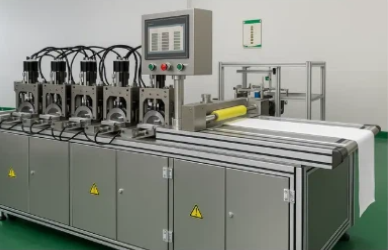
Leak detection machines offer several benefits to manufacturers, helping to maintain product safety, improve quality control, and reduce operational costs. Let’s explore these advantages in detail.
One of the most important benefits of leak detection machines is the ability to maintain high-quality standards in manufacturing. By testing products for leaks, manufacturers can ensure that their products meet strict safety and quality requirements. For example, medical bags and blood bags must remain intact to avoid contamination or loss of critical contents. Leak detection machines ensure these products are safe before reaching the consumer, preventing costly defects and potential harm.
Additionally, many industries, especially healthcare and pharmaceuticals, require compliance with industry regulations such as ISO and GMP standards. Leak detection machines help manufacturers meet these regulatory requirements by ensuring that their products are free from leaks and defects.
While leak detection machines require an initial investment, they can ultimately save manufacturers significant amounts of money. By identifying defects early in the production process, manufacturers can avoid the cost of product recalls, which can be financially devastating and damage a company’s reputation. Early detection also reduces waste by ensuring that only defect-free products are shipped out, lowering overall production costs.
Furthermore, leak detection machines help optimize production efficiency. Automated testing reduces the need for manual inspections, speeding up the production process and increasing throughput. This results in lower labor costs and higher production efficiency.
In industries like food packaging and healthcare, contamination is a serious concern. A small leak in a medical bag or food package can lead to contamination, which may pose health risks or result in the spoilage of products. Leak detection machines ensure that only sealed, airtight products are allowed to proceed to the next stage in production, preventing contamination from reaching consumers.
By detecting leaks early, manufacturers can ensure that their products are safe for use and meet the necessary health and safety standards, which is essential for maintaining consumer trust.
Leak detection machines are used across various industries to test the integrity of products. Let’s take a closer look at some of the key applications.
In the medical industry, leak detection machines play a critical role in ensuring the safety and sterility of medical bags and devices. IV bags, blood bags, urine collection bags, and catheters are all tested for leaks to ensure that they remain sealed and free from contamination during use. Leak detection machines help prevent serious health risks by identifying any leaks that could compromise the integrity of medical products.
For example, leaks in IV bags can lead to contamination of fluids, potentially endangering a patient’s health. Similarly, leaks in blood bags could lead to the loss of valuable blood products. Leak detection machines help ensure that these bags remain intact, preserving the sterility of their contents.
Leak detection machines are also widely used in the packaging industry to ensure the integrity of bottles, containers, and food packaging. Packaging is crucial for maintaining the freshness and safety of products, and leaks in containers can lead to contamination, spoilage, or waste. Leak detection machines test the seals on packaging to ensure they are airtight, preventing air or moisture from entering the product.
In the food packaging industry, leak detection is essential for maintaining product quality and preventing foodborne illnesses. By ensuring that packaging remains sealed, leak detection machines help prevent contamination from bacteria and other harmful pathogens.
Leak detection machines are used in the automotive and electronics industries to test various components, such as pipes, fuel systems, and electronic enclosures. These industries require components to remain sealed to ensure proper function and safety. For example, a leak in an automotive fuel system could lead to dangerous consequences, such as fires or explosions. Leak detection machines help manufacturers ensure that their components meet safety standards by detecting leaks early in the production process.
Leak detection machines can test a wide range of products, including medical bags, bottles, tubes, containers, and automotive parts.
Vacuum decay detects leaks by measuring drops in vacuum pressure, while pressure decay measures drops in applied pressure to identify leaks in sealed products.
Leak detection machines ensure that products like medical bags or containers are free from leaks, preventing contamination and ensuring compliance with safety standards.
Yes, modern leak detection machines are often designed to integrate seamlessly into automated production lines, allowing for real-time testing and continuous production.
Leak detection machines are indispensable tools in modern manufacturing, and Suzhou HETRO Automation Equipment Co., Ltd. plays a crucial role in providing these advanced solutions. These machines deliver essential value by detecting leaks early, ensuring product quality, and maintaining safety across various industries. Whether in the medical, packaging, or automotive sectors, these machines help manufacturers avoid costly defects, ensure compliance with industry regulations, and reduce the risk of contamination. Investing in reliable leak detection technology, like those offered by HETRO, not only improves product safety but also enhances efficiency, reduces costs, and increases overall production reliability. As manufacturing processes become more automated, the importance of leak detection machines will continue to grow, making them a key component in ensuring the safety and quality of products.
