

close
Choose Your Site
Global
Social Media
Views: 0 Author: Site Editor Publish Time: 2026-04-20 Origin: Site


In the world of manufacturing, ensuring the accuracy of leak detection machines is essential to maintaining high product quality. A leak detection machine is used to find even the smallest defects in sealed products, such as medical bags, food packaging, and automotive components. If the machine is not calibrated correctly, it may produce inaccurate results, leading to defective products, production delays, and potentially costly recalls. Therefore, proper calibration is vital to ensure the leak detection machine functions at peak efficiency and meets the required safety standards. This article will guide you through the importance of calibration, the factors influencing accuracy, and the step-by-step process of calibrating a leak detection machine.
Calibration refers to the process of adjusting a leak detection machine to ensure its accuracy by comparing its output against a known standard. This process is necessary to account for any potential drift in the machine's sensors or other components that could affect its ability to detect leaks. Proper calibration ensures that the machine performs within the specified tolerances, allowing it to identify leaks with high precision.
Leak detection machines are critical for ensuring that products, especially in industries like medical, food, and automotive, meet strict safety and quality standards. A machine that is not calibrated properly may fail to detect small leaks, which could lead to serious consequences such as contamination, safety hazards, or product failures. Regular calibration also extends the lifespan of the machine, reduces maintenance costs, and helps avoid costly rework or recalls.
Calibration is not a one-size-fits-all process; several factors can influence the accuracy of a leak detection machine. Understanding these factors is essential for ensuring consistent and reliable calibration.
The sensors in a leak detection machine play a crucial role in detecting leaks. These sensors are responsible for measuring pressure changes within the test product, and their accuracy directly affects the machine's performance. Over time, sensors can drift or become less sensitive, which can result in inaccurate readings. It is essential to calibrate the sensors regularly to maintain high precision.
Additionally, the pressure settings used during calibration must be adjusted to match the specifications for the product being tested. For example, medical bags may require a lower pressure range, while automotive components may require higher pressure settings.
Environmental conditions, such as temperature, humidity, and atmospheric pressure, can impact the accuracy of leak detection machines. For example, fluctuations in temperature can cause the materials being tested to expand or contract, affecting the results of the leak detection process. Similarly, changes in atmospheric pressure can influence sensor readings, leading to inaccuracies. Calibration should ideally be performed under controlled environmental conditions to minimize these external variables.
Using certified calibration standards and equipment is critical to achieving accurate results. Calibration gases, known leak references, and pressure standards must be regularly verified to ensure their accuracy. Using uncalibrated or outdated equipment can lead to inaccurate calibrations, rendering the leak detection machine ineffective.
Calibrating a leak detection machine involves a systematic approach to adjust and verify the machine's settings for optimal performance. Below is a step-by-step guide on how to calibrate a typical leak detection machine.
Before you begin the calibration process, ensure that the leak detection machine is clean, functional, and connected to the necessary testing equipment. This includes checking the power supply, verifying that the machine's software is up-to-date, and confirming that all necessary components, such as sensors and valves, are in place.
Additionally, verify that the product being tested is properly prepared. Ensure that the test product is free from any damage or contamination that could affect the calibration process.
The next step in the calibration process is adjusting the sensors. Most modern leak detection machines have built-in sensors that measure pressure or vacuum levels to detect leaks. These sensors need to be calibrated to ensure that they are measuring pressure changes accurately. Follow the manufacturer’s instructions for adjusting the sensors.
This may involve using a known reference, such as a certified calibration gas, to check and adjust the sensor readings. The goal is to ensure that the machine’s sensors are detecting pressure changes accurately within the required tolerance range.
Once the sensors are adjusted, it’s time to begin the actual calibration process. This involves introducing a known leak reference or standard to the machine and observing how it responds. A known leak size or pressure change will be used to compare the machine’s readings with the reference value.
For pressure decay testing, the test product is sealed inside a chamber, and pressure is applied. The machine should then detect the pressure drop caused by the leak, and this drop should correspond to the known leak size.
During this step, ensure that the machine is set to the correct pressure levels based on the product being tested. The calibration standard should be matched to the pressure range that the product typically operates in.
After completing the calibration process, it is essential to verify that the machine is operating correctly. This step involves running tests using products that are known to be leak-free. The machine should consistently show no leak detection results for these products. If the machine shows any leaks for these test products, further calibration adjustments may be needed.
Additionally, run tests with products that are intentionally leaking at known rates to confirm that the machine is accurately detecting leaks. This verification step helps ensure that the machine is functioning as expected.
Once calibration is complete and the machine is verified, document the results of the calibration process. This includes recording the settings used, the calibration standard, and the results of the verification tests. Keeping detailed calibration records is essential for quality control and compliance with industry regulations.
These records should be stored and easily accessible for future reference. Regular calibration audits should also be performed to ensure ongoing accuracy and reliability.
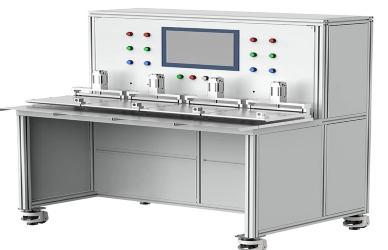
Even with proper calibration techniques, manufacturers may encounter issues with the calibration process. Below are some common problems and their solutions.
Over time, the sensors in a leak detection machine may drift, causing inaccuracies in the measurements. This issue can arise due to environmental conditions, wear and tear, or the age of the sensors. If sensor drift is detected, the sensors should be recalibrated or replaced to restore the machine’s accuracy.
Sometimes, calibration tests may produce inconsistent results. This could be due to several factors, such as incorrect pressure settings, improper calibration standards, or environmental interference. Recheck all settings and equipment before recalibrating the machine.
Environmental factors such as temperature and humidity can affect the calibration process. To minimize these influences, ensure that the calibration is performed in a controlled environment where temperature and humidity are monitored. Additionally, use equipment that compensates for environmental variations.
The frequency of calibration depends on the type of machine, the environment in which it operates, and the manufacturer's recommendations. However, it is generally recommended to calibrate the leak detection machine every 3 to 6 months, especially if it is used frequently. Additionally, recalibration should be performed after any maintenance or repair work, or if the machine shows signs of inaccurate readings.
Regular calibration helps maintain the machine's accuracy and ensures that it operates at peak performance. It also extends the lifespan of the equipment by preventing unnecessary wear and tear caused by inaccurate measurements. Consistent calibration is key to avoiding costly errors and maintaining product quality.
If your machine is producing inconsistent results, showing errors, or failing to detect leaks accurately, it’s time to recalibrate.
Sensor drift can often be corrected by recalibrating the machine. If drift persists, the sensors may need to be replaced or serviced.
Calibration can be done manually, but many modern leak detection machines are automated, making the calibration process faster and more accurate.
Temperature, humidity, and atmospheric pressure can all impact the calibration process. It is essential to calibrate the machine in a controlled environment to minimize these effects.
Proper calibration of leak detection machines is essential for maintaining accuracy, ensuring product safety, and complying with industry standards. By following the step-by-step calibration process and regularly monitoring the machine’s performance, manufacturers can prevent defects, reduce waste, and improve production efficiency. Calibration should be performed in a controlled environment, with detailed records maintained for quality control purposes. In industries where precision is critical, such as medical devices, food packaging, and automotive manufacturing, ensuring that leak detection machines are accurately calibrated is a vital step in maintaining high production standards. Suzhou HETRO Automation Equipment Co., Ltd. offers advanced calibration services and high-quality leak detection machines, helping manufacturers maintain the highest standards of accuracy and efficiency in their production processes.
